%20(1).png)
If you wake up every morning with a blocked nose, pressure behind your eyes, or a constant post-nasal drip, you have probably already Googled your symptoms more than once. And you may have run into two terms that seem almost interchangeable: sinusitis and allergic rhinitis. They share a frustrating number of symptoms, yet they are fundamentally different conditions that respond to very different treatments.
Mistaking one for the other is one of the most common reasons people end up on a merry-go-round of antihistamines, antibiotics, and nasal sprays that never quite fix the problem. This guide breaks down exactly what sets these two conditions apart, how to identify which one you are dealing with, and what genuinely helps each of them, including some overlooked natural approaches that are gaining serious attention.
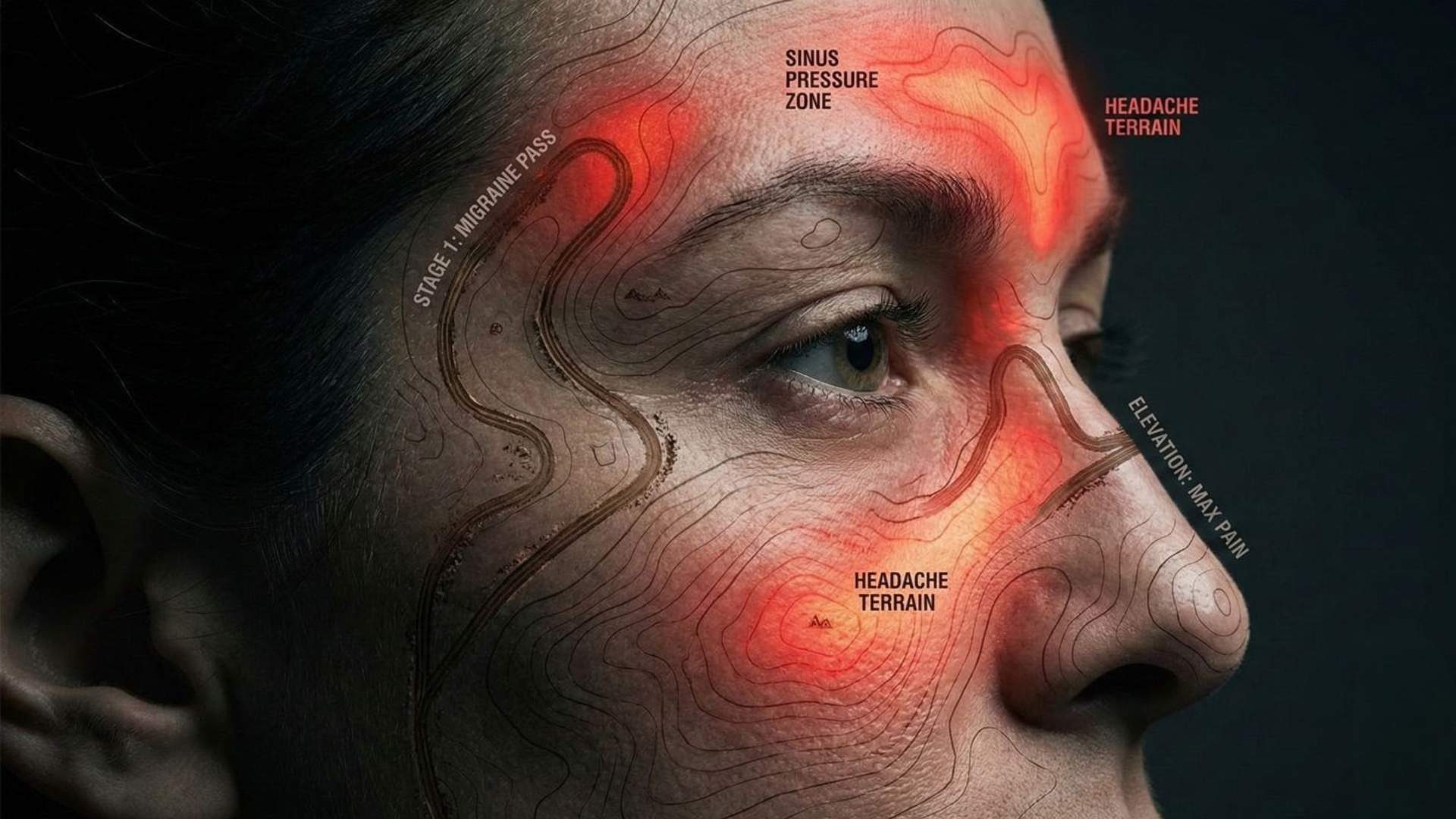
Sinusitis is an inflammation of the sinus cavities, the air-filled spaces behind your forehead, cheeks, and eyes. When these cavities become inflamed, they trap mucus and create a breeding ground for bacteria or viruses. The result is pressure, pain, and congestion that can feel relentless.
Sinusitis is broadly classified into:
According to the American Academy of Otolaryngology, sinusitis affects approximately 31 million people in the United States alone each year, making it one of the most common health complaints globally.
Allergic rhinitis, commonly known as hay fever, is an immune system response to airborne allergens like pollen, dust mites, pet dander, or mold. When your immune system mistakenly identifies these harmless particles as threats, it releases histamine, which triggers the classic symptoms of sneezing, runny nose, and itchy eyes.
Unlike sinusitis, allergic rhinitis does not involve an infection. It is a hypersensitivity reaction, meaning the problem lies in how your immune system is responding, not in a pathogen invading your sinuses.
There are two types:
The World Allergy Organization estimates that allergic rhinitis affects between 10% and 40% of the global population, and the prevalence continues to rise.
This is where things get tricky. Both conditions affect the nasal passages and can cause congestion and a runny nose, but there are key differences that can help you figure out which one you are likely dealing with.
Facial pressure or pain is a strong indicator of sinusitis, where it is often intense, while it is mild or entirely absent in allergic rhinitis. The nature of mucus is another telling sign: sinusitis commonly produces thick, discolored mucus in yellow or green tones, whereas allergic rhinitis typically causes a clear, watery discharge. Both conditions cause a runny nose, but in allergic rhinitis it tends to be more profuse.
Sneezing patterns also differ significantly. With allergic rhinitis, sneezing is frequent and often comes in rapid bursts, while sinusitis causes only occasional sneezing. Itchiness in the eyes, nose, or throat is a hallmark of allergic rhinitis and is rare in sinusitis. Fever is another distinguishing feature — it can occur in acute sinusitis but does not appear in allergic rhinitis.
Fatigue is common in sinusitis and occasionally present in allergic rhinitis. Loss of smell is a frequent complaint in sinusitis and only an occasional one in allergic rhinitis. People with allergic rhinitis often notice their symptoms worsen when outdoors, particularly during high pollen seasons, whereas sinusitis symptoms are generally unaffected by being outdoors. Antihistamines tend to bring relief for allergic rhinitis but are unlikely to help sinusitis. Finally, toothache or jaw pressure can sometimes accompany sinusitis but does not occur with allergic rhinitis, while headaches are more pronounced and centred around the forehead in sinusitis and tend to be mild in allergic rhinitis.
While only a doctor can give you a confirmed diagnosis, a few practical observations can point you in the right direction.
Ask yourself these questions:
If most of your yes answers point to itching, sneezing, clear mucus, and seasonal patterns, allergic rhinitis is the more likely culprit. If you have facial pain, thick mucus, and symptoms that followed a cold, sinusitis is the stronger candidate.
It is also worth noting that the two conditions can coexist. Chronic allergic rhinitis can actually predispose you to sinusitis, because persistent inflammation in the nasal passages makes it easier for bacteria to take hold in the sinus cavities.
For sinusitis, the typical medical approach involves antibiotics, decongestants, nasal corticosteroid sprays, or in severe cases, surgery. For allergic rhinitis, antihistamines and immunotherapy are the usual first-line responses.
These treatments can provide real relief, but they often come with limitations:
This is precisely why a growing number of people are exploring complementary and traditional approaches, particularly those rooted in Ayurveda, which takes a fundamentally different view of sinus health.
In Ayurvedic medicine, sinusitis and related nasal conditions are collectively referred to as Pratishyaya, understood as an imbalance primarily in the Kapha and Vata doshas. Kapha governs mucus and fluid in the body. When it becomes aggravated, excess mucus accumulates, leading to blockage, pressure, and congestion.
Rather than treating symptoms in isolation, Ayurveda focuses on restoring dosha balance through diet, lifestyle, herbal formulations, and therapies that address the root cause.
One classical Ayurvedic practice particularly relevant to sinus care is Murdha Taila, which involves the application of medicated herbal oils to the crown of the head. This practice is described in foundational Ayurvedic texts including the Ashtanga Hridayam. The cranial region is considered a key site for channeling therapeutic compounds toward the respiratory and neurological systems.
You can read more about classical Ayurvedic practices through the Ministry of AYUSH, Government of India, which documents traditional formulations and their applications.
If you are someone who has tried nasal sprays, antihistamines, or repeated antibiotic courses and still finds yourself dealing with sinus issues every season, Synacure-5 offers a genuinely different approach worth considering.
Synacure-5 is a 100% Ayurvedic herbal formulation developed specifically for sinusitis care, manufactured under a valid AYUSH license. What makes it stand out is its method of application: it is applied externally to the crown of the head, once daily before sunrise, for five consecutive days. No tablets, no nasal sprays, no flushing, and no ingestion of any kind.
This approach draws directly from the classical Murdha Taila tradition described in Ayurvedic texts, making it both rooted in historical practice and accessible for modern users.
Why this method is worth understanding:
Synacure-5 is particularly relevant for individuals dealing with chronic or recurrent sinusitis who are looking for a natural, non-medicated option to complement or replace their current approach. It has been widely reviewed by users reporting faster relief when the protocol is followed consistently over the five-day period.
For those who are also managing allergic rhinitis, Synacure-5's external herbal approach may support overall nasal and sinus health without the side effects associated with long-term antihistamine use.
Regardless of whether you are dealing with sinusitis, allergic rhinitis, or both, certain lifestyle and dietary changes can meaningfully reduce the frequency and severity of your symptoms.
Dietary choices that support sinus health:
Environmental adjustments:
Supportive practices:
The Global Initiative for Asthma and Allergic Rhinitis and Allergy UK both offer excellent resources on managing allergic conditions through environmental control.
Natural and Ayurvedic approaches can be highly effective for mild to moderate and chronic sinus conditions, but there are situations where medical evaluation is important. Consult a healthcare professional if:
Q: Can sinusitis turn into allergic rhinitis or vice versa?
They are separate conditions, but they can coexist and worsen each other. Chronic allergic rhinitis increases the risk of developing sinusitis by causing persistent nasal inflammation.
Q: Is it safe to use Ayurvedic herbal formulations alongside conventional treatment?
In most cases, external Ayurvedic applications like Synacure-5 do not interfere with conventional medications since there is no ingestion involved. However, it is always advisable to inform your healthcare provider about any complementary treatments you are using.
Q: How long does chronic sinusitis last without treatment?
By definition, chronic sinusitis persists for 12 weeks or more. Without addressing the underlying cause, it can continue indefinitely. This is why finding the right treatment approach, rather than just symptom management, matters significantly.
Q: Are antihistamines effective for sinusitis?
Antihistamines are primarily effective for allergic rhinitis. They have limited effectiveness for sinusitis unless the sinusitis is triggered by an allergic response. Using antihistamines for bacterial or viral sinusitis is unlikely to provide meaningful relief.
Q: What does AYUSH licensing mean for a product?
AYUSH (Ayurveda, Yoga, Unani, Siddha, and Homeopathy) is the regulatory body under the Government of India overseeing traditional medicine products. A valid AYUSH license indicates the product has met manufacturing and quality standards defined for traditional medicine formulations.
Sinusitis and allergic rhinitis may look alike on the surface, but they stem from very different causes and deserve targeted approaches. Knowing which condition you are dealing with is the essential first step toward actually getting better rather than just managing symptoms temporarily.
For those who have been caught in the cycle of repeated medications without lasting relief, it is worth exploring what traditional systems like Ayurveda have to offer. Whether through lifestyle adjustments, dietary changes, or formulations like Synacure-5 that apply classical Ayurvedic methods in an accessible modern format, there are real alternatives worth trying.
The most important thing is that you stop guessing and start making informed choices about your sinus health.


Most sinus solutions focus on suppression.
Synacure-5® follows a traditional external-use herbal method, no ingestion, no harsh chemicals.