
%20(1).png)
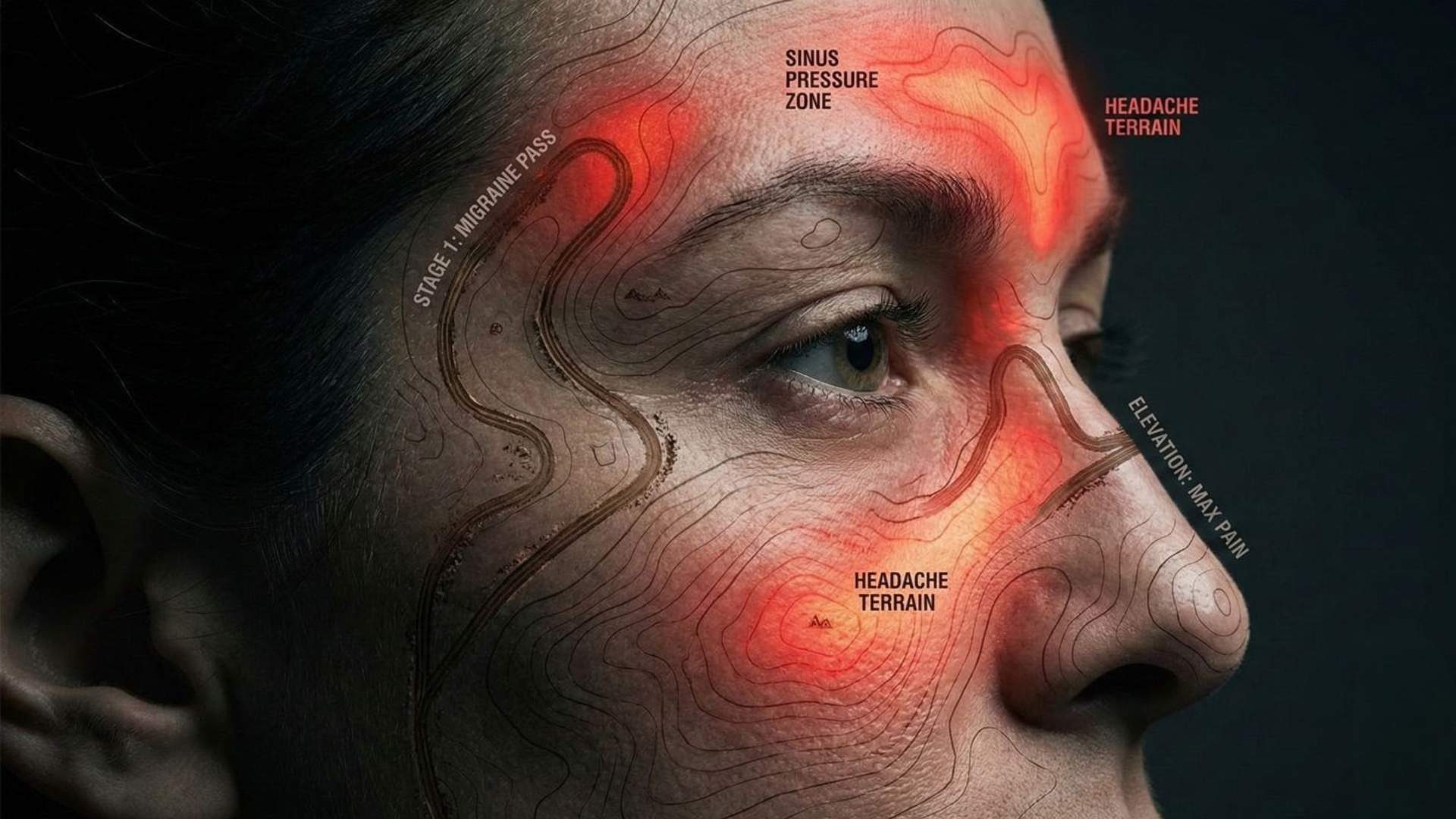
If you have been living with a blocked nose, pressure behind your eyes, and that relentless heavy-headed feeling for months or even years, you are not alone. Chronic sinusitis affects an estimated 11.6% of adults globally, making it one of the most common yet undertreated conditions of our time.
Most people cycle through the same routine: a round of antibiotics, a nasal spray, some decongestants, and temporary relief. Then it comes back. If this sounds familiar, it may be time to step back and ask: Is what I'm doing actually working?
This blog walks you through 7 clear signs that your current sinusitis approach is not enough, and what a different, more natural path might look like for you.
Sinusitis becomes "chronic" when inflammation in the sinus cavities persists for 12 weeks or longer, even with treatment attempts. It is different from an occasional sinus infection that clears up after a week.
Sinusitis is classified into four types based on how long symptoms last and what causes them. Acute sinusitis lasts up to 4 weeks and is typically triggered by a viral or bacterial infection. Subacute sinusitis extends from 4 to 12 weeks and is usually caused by a lingering infection or allergy. Chronic sinusitis persists for 12 weeks or more and is often rooted in structural issues, chronic inflammation, or immune imbalance. Recurrent sinusitis involves four or more episodes per year and points to repeated triggers and a weakened mucosal defence.
Understanding which category you fall into matters, because chronic sinusitis often requires a fundamentally different approach than a standard infection. Learn more about sinusitis classifications at the Mayo Clinic.
This is the most common red flag. Antibiotics are designed to fight bacterial infections. But research increasingly shows that a large proportion of chronic sinusitis cases are not primarily bacterial in nature. They may be driven by fungal overgrowth, immune dysregulation, or chronic inflammation that antibiotics simply cannot address.
If you have completed two or more antibiotic courses in a year and your sinuses keep flaring up weeks later, the root cause has not been treated. You may be managing symptoms while the underlying imbalance remains untouched.
Nasal sprays, especially decongestant sprays containing oxymetazoline, are a quick fix that can quietly become a trap. Prolonged use leads to a condition called rhinitis medicamentosa, also known as rebound congestion, where your nasal passages become more congested the moment the spray wears off.
Signs you may be experiencing rebound congestion:
Steroid nasal sprays are safer for long-term use but still do not address the root cause of chronic sinus inflammation. Read more about rhinitis medicamentosa at WebMD.
Seasonal patterns are a strong indicator of chronic sinusitis rooted in immune sensitivity or Kapha imbalance (as described in Ayurvedic medicine). If every change in weather brings with it blocked sinuses, mouth breathing, poor sleep quality, and morning grogginess, your body is reacting to environmental triggers in a way that standard treatments are not resolving.
Symptoms that suggest season-linked chronic sinusitis:
Poor sleep from chronic nasal blockage has downstream effects on focus, mood, immunity, and cardiovascular health. It is not a minor inconvenience. The Sleep Foundation explains the link between sinusitis and sleep disruption here.
A lot of people with chronic sinusitis do not just feel congested. They feel slow. Difficulty concentrating, persistent tiredness even after rest, a feeling of heaviness in the head, and low motivation are all commonly reported alongside nasal symptoms.
This combination has a physiological explanation. Chronic sinus inflammation can affect oxygen quality during breathing and sleep, elevate systemic inflammatory markers, and even impact neurological function over time. Brain fog is linked to reduced oxygen during nasal obstruction and poor sleep. Fatigue stems from disturbed sleep cycles and immune system overactivation. Low mood can be traced to inflammatory cytokines affecting neurotransmitter function. Poor concentration results from chronic low-grade hypoxia and sleep fragmentation.
If you are experiencing cognitive symptoms alongside your nasal issues, this is a sign that sinusitis is impacting your whole system, not just your nose.
If your sinuses flare up reliably whenever you are under pressure at work, or every time the temperature drops or humidity spikes, this points to a systemic sensitivity rather than a simple infection.
In Ayurvedic medicine, this pattern is associated with an imbalance in Kapha dosha, which governs mucus production, fluid retention, and respiratory health. Modern research also links chronic stress to increased inflammatory responses in the nasal passages through cortisol-mediated pathways.
Common environmental and lifestyle triggers for chronic sinusitis:
If your sinusitis responds to these kinds of triggers rather than just infections, a treatment that only targets bacteria will never be enough.
This is a concern that many people have but rarely voice to their doctors. Antibiotics, corticosteroid sprays, antihistamines, and decongestants all carry risks when used repeatedly over months and years. Long-term antibiotic use can disrupt gut microbiome health. Corticosteroid sprays at high doses may affect the nasal lining and systemic hormonal balance. Oral decongestants can elevate blood pressure and cause cardiovascular strain. Antihistamines often cause drowsiness and cognitive dulling.
If you find yourself uncomfortable with how frequently you are reaching for medication, or if you are worried about what long-term use might mean for your overall health, that is a valid and important concern worth taking seriously.
For a growing number of people, the preference for natural treatment is not just philosophical. It is practical. Many individuals find that their bodies respond better to gentler interventions, that they have sensitivities to synthetic compounds, or that they simply want to reduce their toxic load.
If you fall into this category, it is worth knowing that Ayurveda has a well-documented tradition of addressing sinusitis through herbal formulations, lifestyle adjustments, and non-invasive external applications. This is not an alternative born of desperation. It is a classical medical system with centuries of recorded use.
If several of the signs above resonate with you, Synacure-5 offers a genuinely different approach to sinusitis care.
Synacure-5 is a 100% Ayurvedic herbal formulation designed for external application only. There are no tablets to swallow, no nasal sprays to pump, no flushing, and no internal consumption of any kind. The oil is applied to the crown of the head before sunrise, once daily, for five consecutive days.
This method draws on the classical Ayurvedic practice of Murdha Taila, where medicated oils are applied to the scalp to influence internal physiological processes. The cranial region has a rich network of nerve pathways and blood supply that Ayurvedic practitioners have traditionally used as an access point for herbal therapies targeting the head, respiratory tract, and sensory organs.
Conventional treatments typically involve oral or nasal methods, require ongoing or indefinite use, carry multiple possible side effects, and are moderately to highly invasive. They are pharma-regulated and primarily focused on symptom suppression. Synacure-5, by contrast, is an external topical application completed in just a 5-day protocol. It has no reported side effects, is entirely non-invasive, holds an AYUSH license meeting government-regulated quality standards for Ayurvedic products in India, and is designed around root-cause Ayurvedic care rather than temporary symptom relief.
Synacure-5 is widely reviewed by users who report meaningful relief when the protocol is followed as directed. For individuals who have cycled through conventional treatments without lasting results, Synacure-5 represents a clean, hassle-free option grounded in traditional wisdom.
Regardless of the treatment approach you choose, certain lifestyle changes are consistently supported by research for improving chronic sinusitis outcomes.
Diet and Hydration
Environment
Lifestyle
Q: Can chronic sinusitis be cured permanently?
Many people do achieve long-term remission with the right combination of treatment, lifestyle changes, and addressing the root cause. "Permanent cure" depends on individual factors including the underlying cause, immune health, and consistency of approach.
Q: Is Ayurvedic treatment for sinusitis safe?
Ayurvedic treatments prepared under AYUSH-licensed conditions follow regulated quality standards. External-only formulations like Synacure-5 carry minimal risk as there is no ingestion involved. Always purchase from verified sources.
Q: How long does it take to see results with natural approaches?
This varies. Some individuals notice changes within days. Others need a few weeks of consistent application combined with lifestyle support. The 5-day protocol of Synacure-5 is designed to offer results within its application window when used as directed.
Q: Should I stop my current medication to try a natural remedy?
No. Never discontinue prescribed medication without consulting your doctor. Natural approaches can often be complementary. Speak to your healthcare provider before making changes to your treatment plan.
Q: When should I see a doctor for sinusitis?
If you have severe facial pain, high fever, vision changes, swelling around the eyes, or symptoms that are rapidly worsening, seek medical attention immediately. Chronic sinusitis that does not respond to any treatment over several months should also be evaluated by an ENT specialist.
Chronic sinusitis is not just an inconvenience. It affects your sleep, your thinking, your energy, and your quality of life. If you have been relying on the same treatments for months or years with only temporary relief, the seven signs above are worth taking seriously.
The good news is that alternatives exist. Whether you explore Ayurvedic options like Synacure-5, adjust your diet and environment, or work with a specialist to understand your specific triggers, a different approach can lead to a meaningfully different outcome.
Your sinuses do not have to be a permanent problem.


Most sinus solutions focus on suppression.
Synacure-5® follows a traditional external-use herbal method, no ingestion, no harsh chemicals.